
Attic insulation in Valdosta GA - a sealed attic and cooler rooms upstairs
Hot upstairs rooms and a power bill that climbs every summer usually trace back to the attic. We seal it, then insulate it properly.
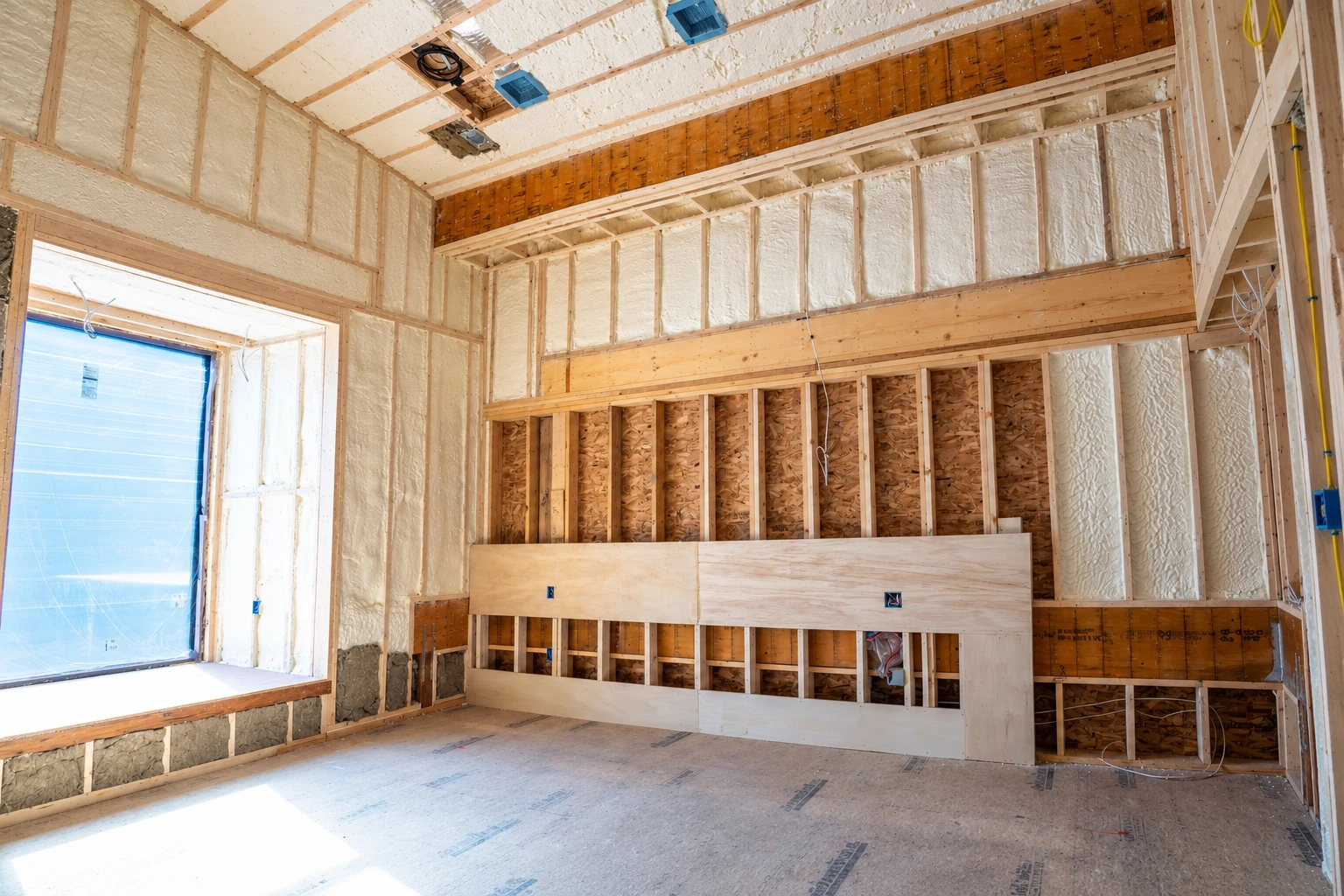
- Fully licensed and insured.
- Free quotes on site.
- Replies within 1 business day.
How does attic insulation work, and what has to happen before it?
Attic insulation in Valdosta starts with sealing the gaps in your attic floor. Then a thick, even layer of loose fill goes on top, so the heat off a summer roof stays out of the rooms below. It usually comes with a check for roof leaks and old wiring first, and sometimes with clearing out old insulation that's past saving.
Most people call us because a bedroom upstairs won't cool down or the power bill jumps every July, and the attic is usually where that heat gets in. The price turns on how big the attic is, how many inches are already up there, whether that old layer is clean and dry enough to stay, how many gaps need sealing and which material you pick. The schedule mostly depends on whether anything has to be repaired or tested before we insulate, and on whether your address needs a permit, which we check before we start and pull ourselves when it does. If drafts bother you more than heat, attic air sealing may be most of what your house needs, and your estimate lays out the work and the price for your attic.
How can you tell your attic insulation isn't doing its job?
Hot rooms upstairs
The bedrooms upstairs stay warm long after the sun goes down, even with the AC running hard. That usually means heat is getting through a thin or gappy attic floor, and the longer it goes, the more your unit runs and the more you pay each summer.
Joists showing through
If you look through the hatch and can see the tops of the ceiling joists, there isn't much insulation between your rooms and a hot roof. Insulation doesn't build back up on its own, and the edges are often thinner than the middle, which is the reverse of what you want.
Stained or matted insulation
Dark streaks, damp patches or droppings in the insulation usually point to a roof leak, a fan blowing into the attic or animals living up there. New material laid over that just buries the problem, and wet wood gets harder and costlier to fix the longer it sits.
Work that often goes with it
Blown-in insulation
If your attic just needs more depth over a dry, sound layer, blown-in fill reaches the corners and the spaces around framing that rolled batts tend to miss.
Home insulation
When the attic is only part of why the house feels uncomfortable, we can look at the walls, floors and crawl space too and plan them together.
How we handle attic insulation
Before anything goes down, I look for roof leaks, old wiring and bathroom or kitchen fans that vent into the attic instead of outside, and those get handled first, because insulation over a leak or a damp fan duct just holds water against the wood. Then our crew seals the attic floor around pipes, wires, can lights and the hatch, since warm air pushing through those openings undoes much of what insulation does. We set baffles, channels at the eaves that hold insulation back from the vents, so the attic keeps breathing and the insulation stays dry and clean. Last, we add the new insulation on top and keep it at full depth out to the edges, where it's easiest to skimp.
Seal and top up
This suits most attics, where the old insulation is dry and clean but thin. We seal the floor and add new fill over what's there, which usually gets you the most comfort for the money.
Remove and start over
This suits attics where the insulation has been soaked, crushed or fouled by animals. It costs more, but new material over a bad layer leaves the problem in place, so we take the old layer out first with insulation removal.
Spray foam at the roofline
This suits houses with ductwork and the air handler up in the attic. Foam costs more, but it seals and insulates at the roof so the ducts sit in cooler air, and that's the one case where I'd usually pick it over loose fill.
Get an attic insulation estimate after I've seen your attic
Send the form and we'll reply within one business day to set a time for me to come out. The quote is free, on site and obligation-free, or call (229) 427-0044 instead.
Call (229) 427-0044Service areas
Why Valdosta homeowners call B&G Valdosta Spray Foam Insulation for their attics
I look at your attic myself
I spent years in heating and cooling work before starting B&G in 2023, and I'm the one who climbs up to see your attic. That means the person pricing your job knows what's actually up there.
Licensed and insured for your attic
We're fully licensed and insured. Valdosta's Inspections Department is responsible for making sure work in the city is done by licensed contractors, so it's fair to ask anyone who quotes your attic.
We pull the permit ourselves
Before we start, we check with Valdosta's Permit Office or the office for your address, and when a permit is needed, we pull it as the contractor. In Georgia it's illegal for a homeowner to buy a permit for someone else's work, so this shouldn't land on you.
A tighter house, still safe
Coming from heating and cooling, I check that gas appliances will still vent the way they should once the attic is sealed tighter. Fresh air gets planned in from the start, so a tighter house is still a safe one to live in.
On an attic, doing the steps in the right order matters more than the brand of insulation, so get in touch and I'll come take a look.
What happens after you call about your attic?
Call or send the form
Call (229) 427-0044 or use the form, and we'll set up a time for me to come out. We work in Valdosta, Bemiss, Adel and the cities around them.
I check the attic with you
I go up, see how many inches are already there and look for leaks, old wiring, fan ducts and vermiculite, then show you what I found. Anything that has to be fixed first, I point out before we talk about insulation.
You get a clear estimate
The estimate spells out the sealing, the material, any repairs or removal that come first, and the price for your attic. Nothing starts until you say go.
We insulate, then walk it
Our installers seal the floor and put the insulation in. When they're done, I walk the finished attic with you so you can see the sealed gaps and the depth for yourself.
Common questions
Do I need to seal my attic before adding insulation?
Yes, the gaps in the attic floor should be sealed first. Federal energy guidance for existing vented attics calls for closing those openings with sealant, one-part spray foam or rigid blocking, then insulating, and it treats the two as one job done in that order. Insulation slows heat, but it won't stop air pushing through a hole.
Is cellulose or fiberglass better for my attic?
Cellulose costs less and slows air movement better, while fiberglass costs more but keeps its depth longer. Loose-fill cellulose can settle 10 to 20 percent over time and breaks down if it gets soaked, while fiberglass settles only about 2 to 4 percent. Cellulose is also heavy, so it isn't recommended for mobile home ceilings, and I'll tell you which one fits your attic once I've seen it.
How much does attic insulation cost in Valdosta?
Installed attic insulation across the US usually runs about $1 to $3 per square foot. That's a national figure for the market, not our price, and where a job lands depends on what has to happen before the new layer goes in. You'll get the number for your attic from the on-site estimate.
What should I do if my attic has vermiculite insulation?
Have it tested before anyone seals or insulates over it, because vermiculite may contain asbestos. A federal attic guide says to get professional advice first and to contact the state health department. It looks like small gray-brown or silvery pebbles, so if you see that up there, tell us when you call.
How do I get my attic ready for new insulation?
Tell us about any flooring or stored boxes in the attic, because a federal retrofit guide lists attic flooring among the things to deal with before insulation goes in. The same guide flags unvented kerosene heaters and gas fireplaces in the house, so mention those too. I'll check the rest, like leaks and wiring, when I come out.
What causes upstairs rooms to stay hot after new attic insulation?
Usually it's air still leaking through gaps that were never sealed, or insulation that's thin at the edges. Buried eave vents can trap moisture too. Hot flues need metal blocking and collars, and can lights that aren't rated to touch insulation need covers, so ask any crew how they'll handle yours.
Book a look at your attic
Call (229) 427-0044 or send the form with your attic's rough size, what's up there now and any roof leaks or vermiculite you've spotted, so the visit starts with the right questions.