Home insulation in Valdosta GA - even comfort from the attic down to the crawl space
Hot rooms upstairs, drafty floors or a power bill that keeps climbing? We seal the leaks, then insulate where your house loses the most.
- Fully licensed and insured.
- Free quotes on site.
- Replies within 1 business day.
What does insulating a whole house involve, from the attic to the crawl space?
Home insulation in Valdosta means sealing the air leaks around your house first, then adding insulation to the attic, floors, crawl space and rim joist, the framing that sits on the foundation. Done in that order, it keeps upstairs rooms cooler and floors more comfortable. It often comes with pulling out old insulation or insulating the crawl space.
Most people call us because one part of the house never feels right, usually the upstairs or the room over the garage, and the power bill shows it. The price moves with the size of the attic, how many inches are already up there, whether old insulation has to come out and whether foam or loose fill suits your house. The schedule turns on those same things, plus anything that has to be fixed first, like a roof leak. Sometimes gaps are the bigger problem, and attic air sealing handles most of it. The estimate I write after looking at your house puts it all in one place.
How do you know your house needs more insulation?
Hot rooms upstairs
The upstairs or the room over the garage stays hot all summer while the rest of the house is fine. That usually means thin or uneven insulation overhead, or attic air leaking in, and the AC keeps running to make up for it.
Drafts you can feel
You feel moving air near outlets, baseboards or the attic hatch with every window shut. Those are gaps letting outside air in, and as long as they stay open you're paying to heat or cool air that slips right back out.
A power bill that keeps climbing
The bill creeps up year after year even though nothing about how you live has changed. Older houses often have insulation that's packed down or was thin to begin with, and waiting just means paying the difference every month.
Work that often goes with it
Insulation removal
Old insulation that's been wet, packed flat or nested in by animals usually comes out first, so the new layer starts on a clean, dry attic floor.
Crawl space insulation
Floors that feel cold underfoot, or a room that never warms up over the crawl space, usually point below the house and not to the attic.
How we approach home insulation
When you want the whole house done, I start by going through the attic, walls, floors and crawl space to find where heat and air are getting in, so we spend your money where it does the most good. I also check where your ducts and air handler sit, because that decides whether we insulate the attic floor or the roof line. Then our crew starts with air sealing, closing the gaps around can lights, pipes and the attic hatch, since insulation laid over a leak just ends up fighting a draft. After that the insulation goes in. We keep the eave vents clear so the attic can still breathe, and we carry the depth all the way out to the edges, where it's easiest to skimp.
Some houses need work before or alongside that. If the layer up there now has been soaked or animals have been living in it, insulation removal comes first, because new material over a bad layer keeps the problem in your attic. When the ducts run under the house or the floors stay cold, crawl space insulation can do as much for comfort as anything we put overhead.
Attic floor, sealed and blown-in
This suits most houses where the ducts don't run through the attic. We seal the ceiling gaps, then add blown-in insulation, loose fill blown through a hose, to an even depth across the whole floor.
Roof line with spray foam
This suits a house with its ductwork and air handler up in the attic. We foam the underside of the roof and the gable walls instead of the floor, which seals and insulates in the same step.
Floors and rim joists
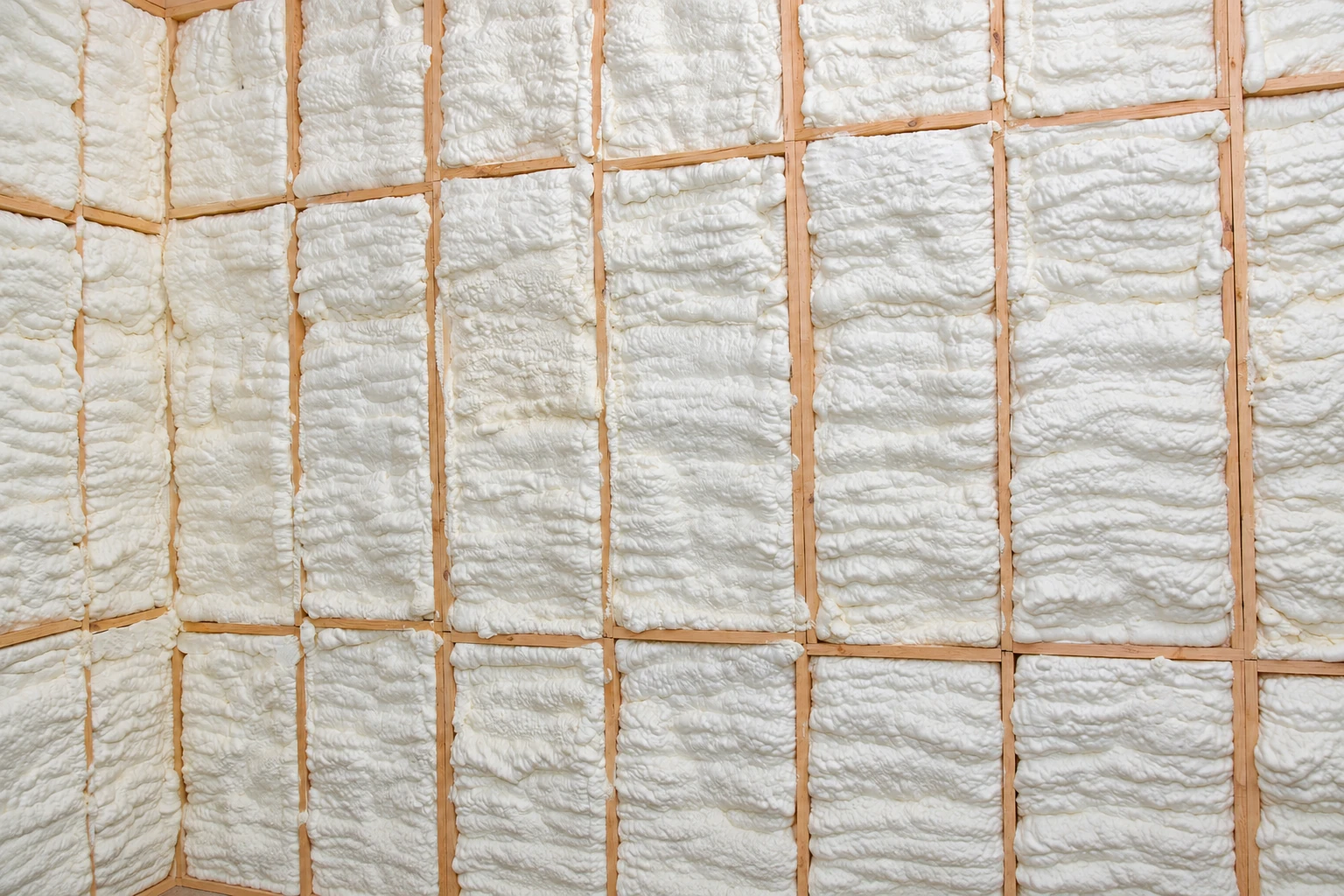
This suits houses with cold floors or a damp crawl space, where we insulate under the floor and along the rim joist. Closed-cell foam, a dense foam that also blocks moisture, often makes sense down there.
Get an on-site look at your attic, walls and crawl space
Send the form and we'll reply within one business day to set a time for me to come out. The estimate is free, with no obligation, and calling works too.
Call (229) 427-0044Service areas
Why Valdosta homeowners call B&G Valdosta Spray Foam Insulation
Years in heating and cooling first
I spent years in heating and cooling work, much of it in attics and crawl spaces, before I started this business in 2023. So when we tighten a house, I make sure fuel-burning appliances still vent the way they should and fresh air is planned in.
We pull the permit, not you
Before we start, we check with the permit office for your address, and when a permit is needed we pull it ourselves as the contractor. The City of Valdosta says it's illegal in Georgia for a homeowner to buy a permit for someone else to do the work, so you shouldn't be asked to.
Straight about what you need
We're best known for telling people what their house really needs, and sometimes that's sealing and a top-up instead of a full foam job. You put your money where it changes how the house feels.
Fully licensed and insured
We're fully licensed and insured for the work we do in your attic and under your floors. Your satisfaction, guaranteed.
On a whole house, doing the steps in the right order matters more than any one product. Contact us and I'll come see what yours needs.
What happens when you call about home insulation in Valdosta?
Call or send the form
Call (229) 427-0044 or send the form, and we'll set a time for me to come out. Tell us what's bothering you, whether it's a hot room, drafts or the bill, so I know where to look first.
I go through the house
I look at the attic, walls and crawl space with you and point out anything that has to be fixed before we start, like a roof leak or wet insulation. You get a clear estimate, so you know what we'd do and what it costs before you decide anything.
Our installers do the work
Once you say go, our installers come in, seal the gaps first and then put the insulation in. They keep the mess to the work area and clean up before they leave.
We walk the finished job
When the installers are done, I walk the job with you from the attic to the crawl space. You see the sealed gaps and the depth for yourself before we call it finished.
Common questions
How much does home insulation cost in Valdosta?
Across the US, attic insulation usually costs about $1 to $6 per square foot, from a blown-in cellulose top-up to closed-cell spray foam. That's the typical market range, not our price. Your own figure comes from the estimate I write after I've seen your attic and crawl space.
What is the best way to insulate an attic in Valdosta, the floor or the roof line?
Insulating the attic floor with blown-in cellulose or fiberglass is generally the less expensive route, while spray foam or foam board at the roof and gable walls costs more. When the ductwork and air handler sit in the attic, the roof line is much more efficient, because that equipment ends up inside the insulated part of the house, and that can justify the extra cost. Without ducts up there, I usually point people to sealing the gaps and topping up the floor.
How much can insulation save on my power bill?
On average, sealing air leaks and insulating the attic, floors, crawl space and rim joists can save up to 15% on heating and cooling costs, or up to 11% on total energy costs. Your house may do better or worse than that depending on how leaky it is and what's up there now, which is why I look before I tell you what to expect.
Who issues building permits in Valdosta?
The city's Permit Office issues building permits, which the city requires to construct, enlarge, alter, repair, move, demolish or change the occupancy of a building or structure. Lowndes County runs its own Building Permits and Inspections Department at (229) 671-3240, so the office that handles your job depends on your address. Permits pulled in the city follow a set of codes that includes the International Energy Conservation Code.
Do we have to leave the house while you insulate?
With blown-in insulation in the attic, most families stay home while we work. Spray foam is different, so if it's part of your job, we'll tell you before we start when everyone, kids and pets included, needs to be out and the re-entry time, when it's safe to come back inside.
What causes attic insulation to stop working as well as it used to?
Loose-fill insulation, the kind most vented attics have, can settle over time, and that settling can cut how well it works by a good deal. Unsealed leaks, water from the roof and animals nesting in it wear it down too, so I check the depth and the condition before suggesting we add anything.
Have your house looked at before you insulate
Call (229) 427-0044 or send the form, and if you know your attic's rough size and whether ducts or an air handler sit up there, we can talk through your options on that first call.